Ephesus & Sirince Village Tour: Uncover Ancient Ruins & Turkish Charm on the Turkish Riviera


The Turkish Riviera isn't just about turquoise waters and luxury resorts—it's a living museum where empires rose and fell, leaving behind stories etched in marble and stone. As someone who's walked these paths countless times, I can tell you that the Small Group Ephesus & Sirince Village Tour isn't just another tourist excursion; it's a journey through 3,000 years of Mediterranean civilization that will leave you awestruck.
Picture this: You're standing in the shadow of the Library of Celsus, its intricate façade glowing golden in the Aegean sun, while your guide whispers tales of Roman scholars who once walked these same colonnaded streets. This isn't a sterile archaeological site—it's Ephesus, one of the most complete ancient cities on Earth, where you can almost hear the echoes of chariots on the Curetes Street and feel the presence of Cleopatra, Mark Antony, and Saint Paul.
What makes this specific tour exceptional is its perfect balance between monumental history and authentic village life. After immersing yourself in ancient grandeur, you'll escape to Sirince—a hidden gem in the hills where time seems to have paused. This isn't a manufactured 'cultural experience' but a genuine Turkish village where locals still make wine in their cellars and sell handmade lace from their doorsteps. For travelers seeking substance beyond sunbathing, this tour delivers the soul of the Turkish Riviera.
At a Glance
Discover the Magic of Turkish Riviera
The Terrace Houses (or 'Houses of the Rich') reveal what guidebooks often miss: Ephesus wasn't just public monuments but a living city with multi-story residences featuring central heating, hot and cold running water, and exquisite frescoes. These weren't just homes but status symbols where wealthy merchants displayed mosaics depicting mythological scenes—a testament to the cosmopolitan tastes of Ephesian elite who imported marble from across the Mediterranean.
Sirince Village represents the living continuation of this region's story. Perched 350 meters above sea level in the Selcuk hills, this former Greek Orthodox village (originally called Çirkince, meaning 'ugly' in Turkish—locals claim they named it this to keep outsiders away) showcases traditional Ottoman architecture with whitewashed stone houses and red-tiled roofs. After the 1923 population exchange, Turkish immigrants from Thessaloniki brought winemaking traditions that transformed Sirince into the 'wine village' it is today, though many visitors don't realize the local fruit wines (particularly strawberry and peach) often contain added sugar for tourist palates.
What to Expect: The Experience
Walking down the marble-paved Curetes Street feels like stepping into a Roman postcard, but the reality is more visceral. You'll feel the Mediterranean sun heating the stones beneath your feet, smell the wild oregano growing between ruins, and hear the multilingual chatter of visitors from around the world. The Library of Celsus appears suddenly around a corner—its restored façade is breathtaking, but look closer at the niches where statues of Sophia (Wisdom), Arete (Virtue), Ennoia (Thought), and Episteme (Knowledge) once stood, representing the library's purpose.
The Terrace Houses require an additional ticket (usually included), but they're worth every lira. Climbing the wooden walkways, you'll peer into remarkably preserved living spaces where colorful frescoes of theatrical masks and geometric patterns survive. The intimacy here contrasts with the monumental scale outside—you can imagine wealthy Ephesians hosting dinner parties in these rooms with views over their city.
After a traditional Turkish lunch (often at a local restaurant with vine-covered terraces), you'll ascend into the hills to Sirince. The village reveals itself gradually—first the minaret of its mosque, then clusters of stone houses clinging to slopes. Wandering narrow cobblestone lanes, you'll pass women selling handmade lace and olive oil soaps from their doorsteps. The wine tasting stops can vary in quality; the authentic experience comes from peeking into family-run cellars rather than the more commercial shops along the main street.
The tour typically includes stops at a carpet weaving village and leather factory—be prepared for sales pitches, though observing artisans hand-knotting silk carpets or crafting leather is genuinely fascinating. Your guide should provide historical context about these traditional Turkish crafts without pressure to purchase.
Honest Expectations
What We Love
- Ephesus is genuinely awe-inspiring—the preservation is unparalleled in the Mediterranean
- Small group size allows for personalized attention and easier navigation through crowds
- Perfect contrast between monumental history (Ephesus) and living culture (Sirince)
Good to Know
- Summer months (July-August) bring extreme heat (often 95°F/35°C+) and massive crowds from cruise ships
- The carpet/leather factory stops, while culturally interesting, are essentially sales opportunities that some find uncomfortably commercial
Logistics & Accessibility
This tour involves approximately 3-4 hours of walking on uneven, often slippery marble surfaces with minimal shade. You'll navigate steep inclines at Ephesus and cobblestone hills in Sirince. Wear sturdy, closed-toe shoes with good traction—sandals are a recipe for twisted ankles. Bring a hat, sunscreen, and at least 1 liter of water per person (though vendors sell water onsite). A lightweight scarf is useful for covering shoulders when entering religious sites.
WHO SHOULD AVOID THIS TOUR: Travelers with mobility issues, knee/hip problems, or who use wheelchairs—Ephesus has limited accessibility with many stairs and uneven paths. Pregnant travelers in later trimesters may find the walking and heat challenging. Those who dislike structured itineraries or sales environments should consider a private tour instead. Children under 8 often struggle with the length and historical focus.
Perfect Pairings in Turkish Riviera
Make the most of your day. Here is what we recommend doing right after:
2. Sample authentic Aegean cuisine at a family-run lokanta in Selcuk—try çöp şiş (lamb skewers), enginar dolması (stuffed artichokes), and finish with sütlaç (rice pudding).
3. Watch the sunset from St. John's Basilica hill overlooking Selcuk—the view across the ancient city to the sea is magical and completely free.
Local Insider Tips
- Arrive at Ephesus by 8:30 AM to beat both the heat and the cruise ship crowds that descend around 10 AM
- In Sirince, seek out the smaller family wine producers behind the main street—their wines are less sweet and more authentic
- The 'secret' best photo spot in Ephesus is from the upper seats of the Great Theatre looking toward the Harbor Street—you'll capture the scale without people in your shot
- Bring small Turkish Lira coins (5-10 TL) for restroom attendants at Ephesus—the facilities are clean but require payment
Traveler FAQs
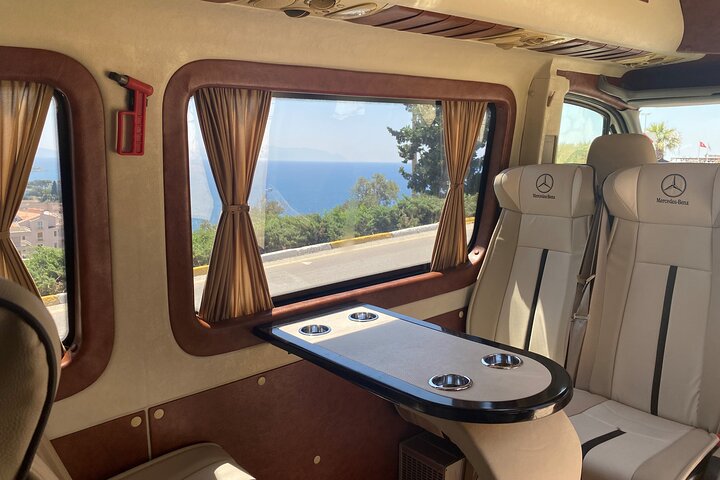
"The Turkish Riviera offers countless experiences, but few capture the essence of this crossroads civilization like the Ephesus and Sirince tour. It's more than checking off UNESCO sites—it's walking where apostles and emperors walked, tasting wines made from the same grapes that fueled ancient symposia, and understanding how layers of Greek, Roman, Byzantine, and Ottoman history created modern Turkey. As your minivan returns you to your hotel, sun-kissed and slightly weary, you'll carry not just photographs but the weight of millennia—and that's the real treasure of this remarkable journey."
BenayTur Local Expert Tip
"As a local agency, we know this region like the back of our hand. To get the best out of this experience, we highly recommend booking your spot in advance, especially during the high season in Turkish Riviera. Don't forget your camera, the views are genuinely spectacular!"
Cancellation Policy
For a full refund, cancel at least 24 hours before the scheduled departure time.